
Sports drinks have spent decades convincing us that hydration should be sweet. Bright colours, sugary flavour, a health halo built on elite athletes. But for most people, most of the time, that sugar isn't helping you hydrate. It's just sugar. Here's the honest comparison between sugar-free electrolytes and traditional sugary drinks, including the one situation where the sugar genuinely earns its place.
How much sugar is really in a sports drink?
More than most people realise. A traditional sports drink typically carries somewhere between 20g and 35g of sugar per bottle, which is roughly the entire recommended daily limit for an adult in a single drink. That's before you count the calories, which often land around 100 to 200 per bottle. As one honest summary puts it, many sports drinks are basically soda in disguise: yes, they contain electrolytes, but they also pack a surprising amount of sugar.
Sugar-free electrolytes flip that. You get the minerals your body actually loses through sweat, primarily sodium alongside potassium and magnesium, without the sugar load or the calories.
What the sugar actually does to you
Drinking your hydration with a big hit of sugar has some real downsides for everyday use:
- The spike and crash. Sugar gives you a quick burst, then a crash that can leave you feeling more tired than before you drank it. That flat feeling an hour after a sugary sports drink often isn't the exercise, it's the sugar.
- Calories that add up. 100 to 200 calories a bottle sounds small, but as a daily hydration habit it quietly works against weight and health goals, while giving you no lasting fullness.
- It trains your palate. Hydrate on sweetness often enough and plain water starts to taste boring, so you reach for the sweet stuff more. The cycle reinforces itself.
The honest bit: when a little sugar does help
We're not going to pretend sugar is useless, because that's not what the science says. A small amount of sugar can genuinely aid fluid absorption, and for prolonged, intense endurance efforts, over roughly two hours, the carbohydrate in a sports drink helps maintain your energy stores as well as hydrating you. If you're running a marathon or riding for hours, that sugar has a real job to do.
The key word is small, and the context is endurance. The 20 to 35g in a typical sports drink is far more than absorption needs, and most of us aren't doing the two-hour efforts that justify it. For a gym session, a run under an hour, a hot day, or general daily hydration, the sugar is doing nothing for you that a good sugar-free electrolyte can't do without the downside.
When to choose which
A simple guide:
- Everyday hydration, gym, desk days, hot weather: sugar-free electrolytes. Minerals without the calories or the crash.
- Fasting, keto or low-carb: sugar-free, every time. You keep your mineral balance without breaking a fast or your carb target, and electrolytes help with the fatigue and headaches that come with low-carb transitions.
- Managing blood sugar: sugar-free avoids the glucose spikes entirely.
- Endurance events over ~2 hours: this is where added carbohydrate earns its place, whether through a sports drink or, better, dedicated fuel like gels plus a clean electrolyte.
The takeaway
Sugary sports drinks aren't evil, they're just a specialist tool sold as an everyday one. For the hydration most of us actually do, day to day, sugar-free electrolytes give you what your body needs and leave out what it doesn't. Cleaner hydration, no crash, no hidden daily sugar.
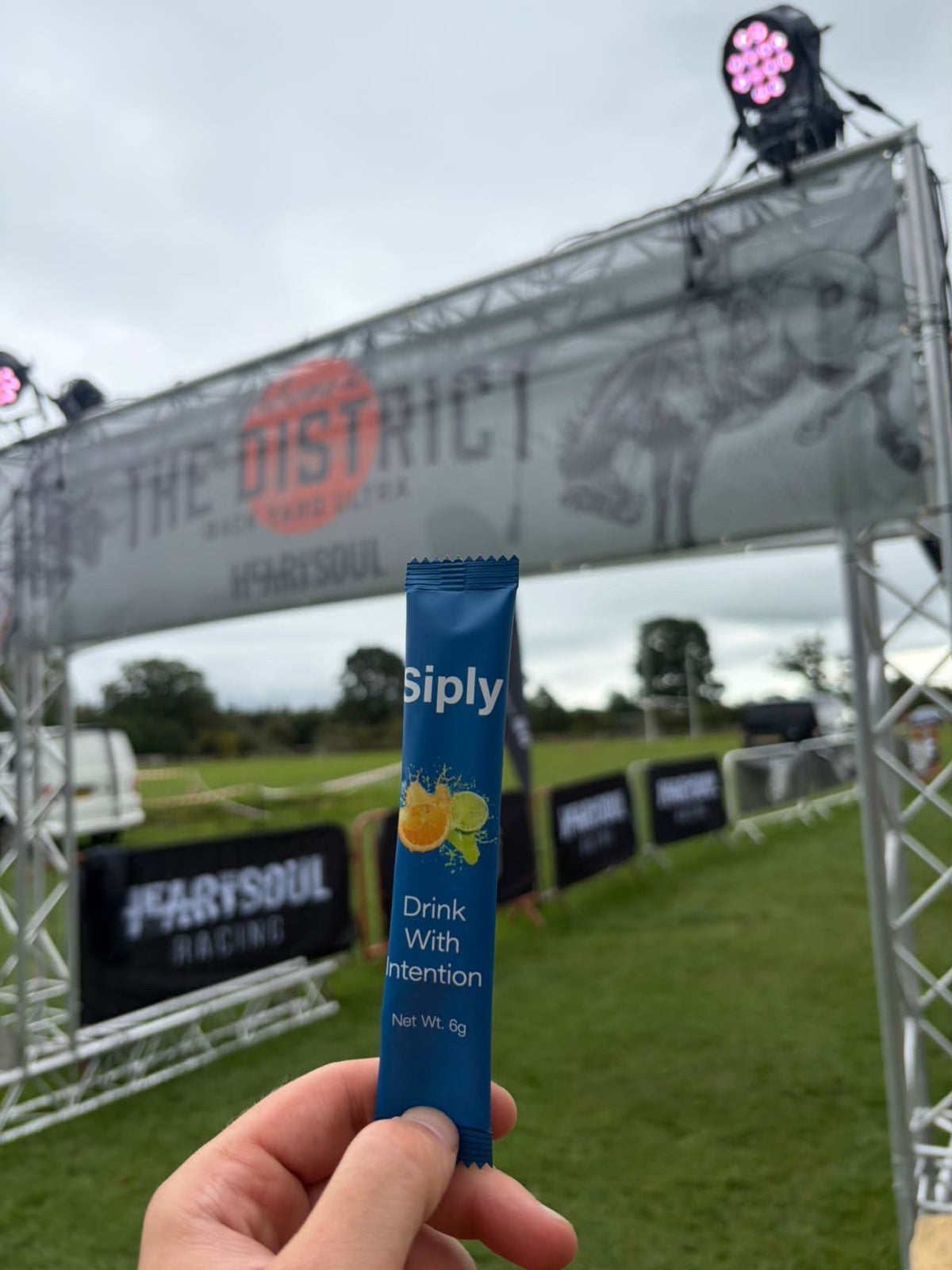
That's exactly what we built Siply to be: zero sugar, 1000mg sodium plus potassium and magnesium, and just 10 calories per sachet. Proper hydration without the soda-in-disguise sugar hit. You can explore the full range of flavours here, or try the sample box to find your favourite. As always, £1 from every order goes to mental health charity If U Care Share.

Leave a comment
This site is protected by hCaptcha and the hCaptcha Privacy Policy and Terms of Service apply.